
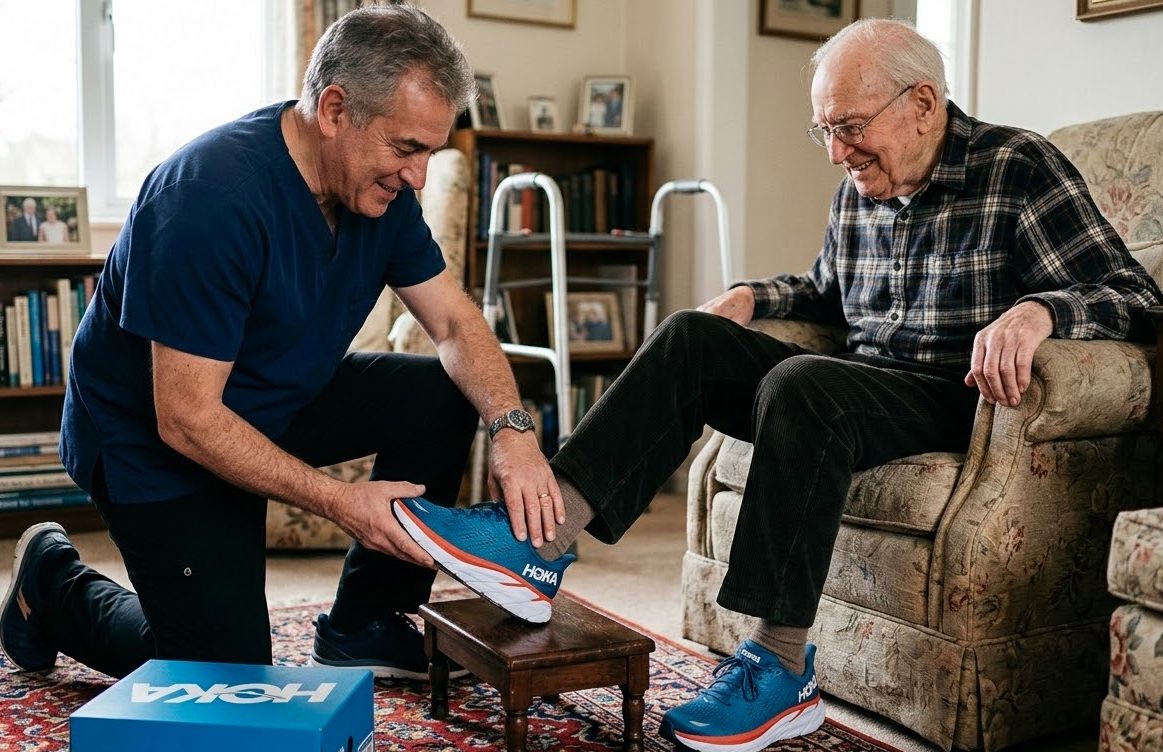
As we age, the world can start to feel a little less stable. A fall isn't just a physical "oops"—it can be a significant blow to an older adult's independence and confidence. The good news? Falling is not an inevitable part of aging. Most falls are preventable with a few strategic adjustments to daily life and the environment.
Here are five proactive steps to keep you or your loved ones upright and active.
Make the Home "Trip-Proof"
Most falls happen in the places we feel safest. Your home should be a sanctuary, not an obstacle course.
- Clear the Path: Remove "loose" items like throw rugs, cluttered hallways, and electrical cords. If you love a rug, secure it with double-sided tape or non-slip backing.
- Brighten Up: Dim lighting is a major culprit. Increase the wattage of your bulbs and add motion-sensor nightlights in bathrooms and hallways.
- Bathroom Safety: Install grab bars in the shower and next to the toilet. A non-slip rubber mat inside the tub is a must.
Prioritize Strength and Balance
If you don't use it, you lose it—especially when it comes to the muscles that keep us steady.
- Focus on the Core: Exercises like Tai Chi or Yoga are world-class for improving balance and coordination.
- Leg Power: Simple movements like "sit-to-stands" (rising from a chair without using your arms) build the lower-body strength necessary to recover if you do stumble.
- Stay Consistent: Even 15 minutes of walking or light stretching a day can significantly improve "proprioception"—your body's ability to sense where it is in space.
Review Medications with a Pro
Some medications, or combinations of them, can make you feel dizzy, sleepy, or "fuzzy."
- The Culprits: Blood pressure meds, sedatives, and even some over-the-counter cold medicines can affect your balance.
- The Fix: Once a year, bring a full list of your prescriptions and supplements to your doctor. Ask specifically, "Do any of these increase my risk of falling?"
Schedule Vision and Hearing Checks
Your eyes and ears are your body's primary navigation system.
- Vision: Conditions like glaucoma or cataracts change how you perceive depth and distance. Even a slight change in your prescription can make a curb look further away than it is.
- Hearing: Our inner ear controls our equilibrium. If your hearing is muffled or you have an undetected infection, your balance will suffer.
Wear the Right Gear
Fashion is great, but stability is better. Many falls are the direct result of poor footwear choices.
- The Ideal Shoe: Look for sturdy, flat shoes with thin, non-slip soles.
- Avoid: Floppy slippers, high heels, and walking in socks on hardwood or tile floors.
- Assistive Devices: If a doctor recommends a cane or walker, use it! It's not a sign of weakness; it's a tool for freedom. Ensure it is sized correctly for your height to avoid leaning too far forward.
Pro Tip: If a fall does occur, don't keep it a secret. Telling a doctor about a "near miss" can help identify a problem before a more serious injury happens.