
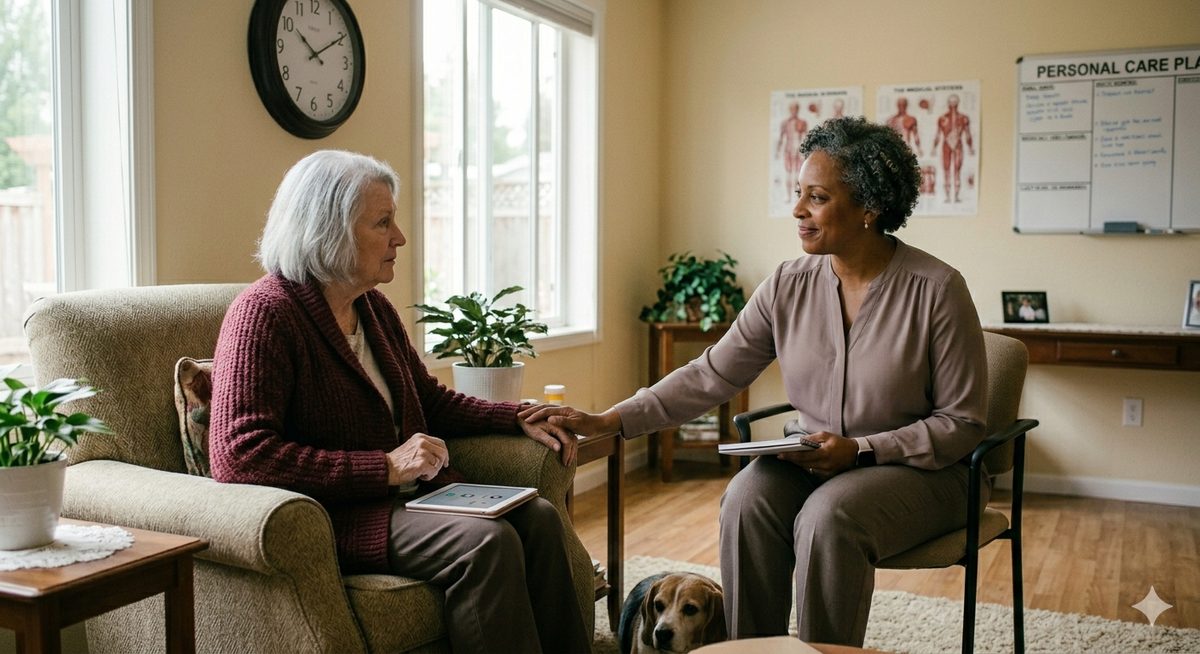
While neuropsychology focuses on the "map" of the brain and its cognitive functions, geropsychology (called geropsych for short) is a specialized branch of psychology dedicated specifically to the mental health, well-being, and unique life transitions of older adults.
Think of it this way: if a neuropsychologist is the "architect" looking at the structural integrity of the brain, a geropsychologist is the "navigator" helping you steer through the emotional and social waters of aging.
1. What Is Geropsychology?
Geropsychology is the study of aging and the provision of clinical services for seniors (typically those aged 65+). It recognizes that being "older" isn't a disease, but a distinct life stage with its own strengths and challenges.
By 2026, with the global "Silver Tsunami" (the aging of the Baby Boomer generation) in full swing, geropsychologists have become essential members of integrated healthcare teams.
2. The "Two Ds" and Beyond
While geropsychologists are experts in the "Two Ds"—dementia and death/dying—their scope is much broader. They address:
- Adjustment to transitions: navigating retirement, "empty nesting," or moving into an assisted living community.
- Grief and loss: coping with the death of a spouse, siblings, or lifelong friends.
- Chronic illness management: dealing with the emotional toll of conditions like diabetes, arthritis, or heart disease.
- Anxiety and depression: treating mental health issues that may present differently in older adults (e.g., depression appearing as "irritability" or "memory fog").
- Caregiver support: helping the adult children or spouses of seniors manage the stress and "role reversal" of caregiving.
3. Geropsych vs. Neuropsych: What's the Difference?
It's common to confuse the two, as they often work together. Here is how they differ in practice:
- Primary focus: Neuropsychology looks at brain-behavior relationships (memory, attention); geropsychology focuses on emotional and mental well-being in aging.
- Main tool: Neuropsychology uses standardized cognitive testing (puzzles, recall); geropsychology uses talk therapy and behavioral interventions.
- Common question: Neuropsychology asks, "Is this memory loss normal or Alzheimer's?" Geropsychology asks, "How can I find purpose after retiring?"
- Outcome: Neuropsychology produces a cognitive profile or diagnosis; geropsychology produces improved coping strategies and quality of life.
4. Geropsychology Trends in 2026
The field has evolved significantly to meet modern needs:
- Digital connection: using "tech with empathy" to combat social isolation. Geropsychologists now help seniors use simplified AI companions and VR (virtual reality) for reminiscence therapy.
- Preventive brain health: a shift from treating decline to promoting "cognitive reserve" through lifestyle coaching and social engagement.
- Integrated care: you will now find geropsychologists working directly inside adult family homes and assisted living communities to provide on-site support, reducing the need for stressful trips to outside clinics.
5. When to Call a Geropsychologist
It might be time to seek a specialist if you or a loved one are experiencing:
- Persistent sadness: feelings of hopelessness that last more than two weeks.
- Personality changes: unusual irritability, withdrawal, or loss of interest in hobbies.
- Difficulty with decisions: feeling overwhelmed by medical or financial choices.
- Sleep or appetite changes: significant disruptions that aren't explained by physical illness.
Note: in 2026, many geropsychology services are covered under Medicare Part B as part of mental health parity laws. Always check with your provider to see how these services can be integrated into your care plan.