
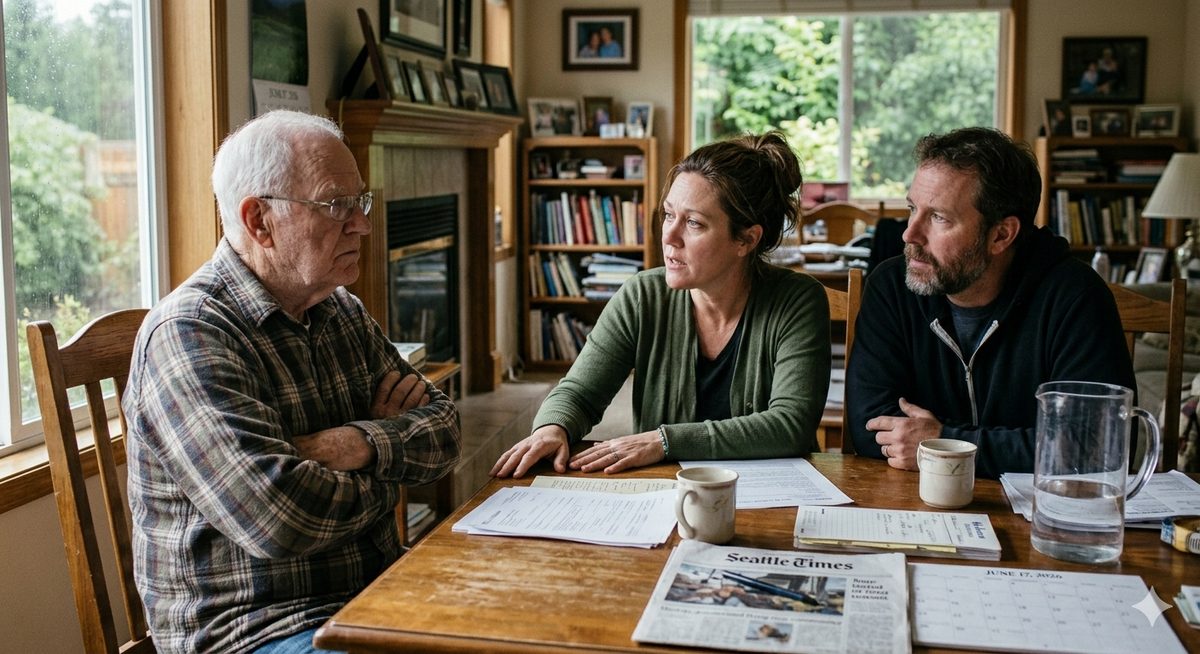
Discussing a transition to senior living with a parent who is reluctant to leave their home can be one of the most challenging aspects of caregiving. It is a deeply emotional process, often rooted in a fear of losing independence, memories, and comfort. However, approaching this transition with empathy, preparation, and clear communication can help transform a source of conflict into a collaborative planning process.
1. Start the Conversation Early
The most effective way to address resistance is to introduce the topic well before an urgent move becomes necessary.
- Focus on Future Needs: Rather than framing it as a reaction to a crisis, discuss it in the context of long-term planning, security, and well-being.
- Active Listening: Allow your parent to express their fears. Often, resistance stems from not feeling heard. Acknowledge their attachment to their home, their belongings, and their established routines.
2. Shift the Narrative to "Quality of Life"
Many seniors equate assisted living with a loss of freedom. Change the perspective by highlighting the benefits that can actually enhance their independence and social life.
- Highlight Social Connection: Emphasize opportunities for daily social interaction, community activities, and a reduction in the isolation that often accompanies living alone.
- Safety and Maintenance: Frame the move as a way to relieve them of the physical and mental burden of home maintenance, chores, and the logistics of daily living, allowing them more energy to enjoy their interests.
3. Do Your Research Together
Involve your parent in the research process to give them a sense of control and agency.
- Develop a Checklist: Work together to create a list of questions to ask potential assisted living communities before visiting, ensuring their priorities are addressed.
- Touring Options: Visit a variety of settings, such as different assisted living communities or adult family homes, so they can see that there are options tailored to different comfort levels and care needs.
- Practical Preparation: If the main barrier is the stress of moving, discuss the process of downsizing from a family home to a smaller apartment, focusing on making it a manageable, step-by-step project rather than an overwhelming task.
4. Seek Professional Guidance
Sometimes, hearing information from a neutral third party can alleviate resistance.
- Consult Medical Professionals: A physician or geriatric care manager can provide objective advice on safety, cognitive health, or physical needs that may necessitate a change in living environment.
- Utilize Support Resources: Connect with support groups for caregivers who are navigating similar transitions. Sharing experiences and strategies can provide both emotional support and practical insights.
- Bring in a Referral Agency: Companies like 1st CHOICE Advisory Services are an elderly housing referral agency that act as an intermediary to help seniors and their families navigate the often overwhelming process of finding suitable senior living arrangements. These agencies connect individuals with options such as assisted living communities, independent living facilities, memory care units, and adult family homes. They leverage their local expertise to offer "insider" knowledge about community culture, staff quality, and the types of residents who typically thrive in specific settings. Agencies can save families significant time by handling the coordination of phone calls, scheduling tours, and answering detailed questions about pricing, occupancy rates, and service levels; they often act as a liaison between the family and the care provider, helping families compare choices to make educated decisions about their future.
A Note on Patience: Resistance is a normal part of this transition. It may take several conversations, visits, and periods of reflection for your parent to feel comfortable with the idea of moving. Remain consistent in your support, and remember that your goal is to ensure their safety while honoring their dignity throughout the process.