
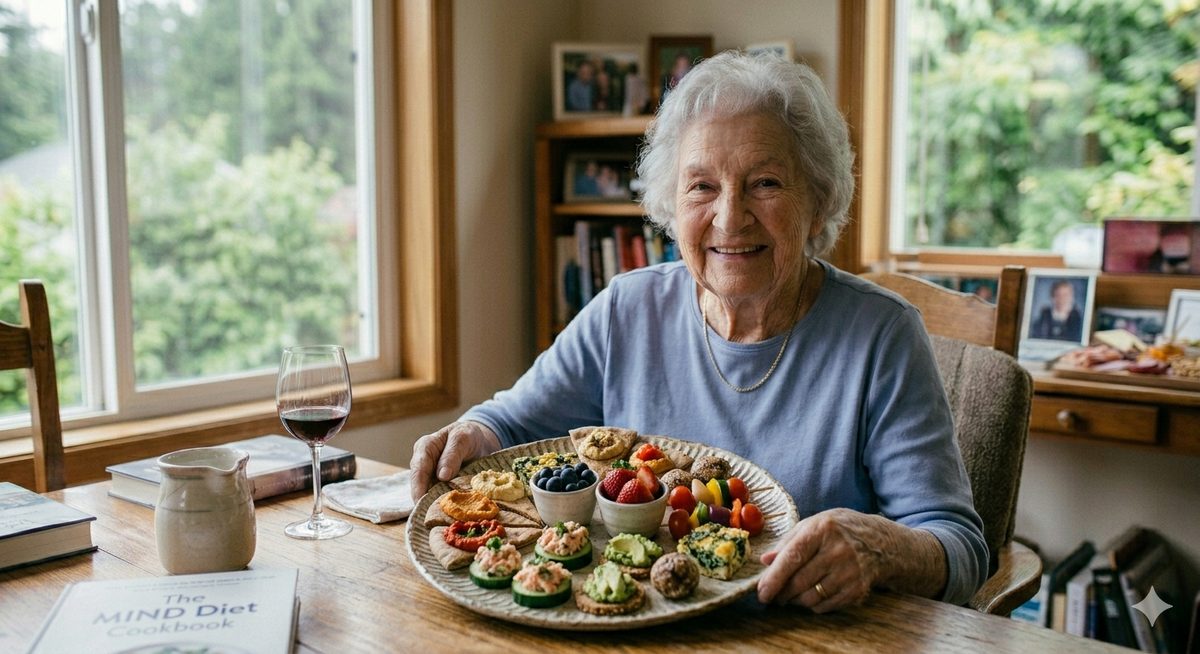
Maintaining independence during mealtimes is a significant way to support the dignity and quality of life for an individual living with cognitive decline. As dementia progresses, the ability to use utensils, chew, or swallow can become challenging. By shifting toward "finger foods"—nutritious, bite-sized portions that can be eaten by hand—you can help your loved one stay engaged with their nutrition while minimizing frustration.
The Power of Finger Foods
Finger foods are an effective strategy because they remove the physical barrier of managing cutlery and allow for a more intuitive eating experience. When preparing these, focus on nutrient-dense options that are easy to pick up and hold without falling apart.
Recommended Handheld Options
- Protein-Rich Bites: Offer strips of cooked chicken, mini meatballs, or patties made with fish or plant-based proteins. Hard-boiled eggs (sliced) and small pieces of quiche or frittata are also excellent choices.
- Vegetables and Fruits: Serve steamed or baked vegetable pieces, such as broccoli or cauliflower florets, or chunky potato wedges. Fresh fruits—like melon, banana, or strawberries—cut into finger-sized pieces are nutritious and easy to manage.
- Grain-Based Choices: Sandwiches are highly versatile; use fillings like tuna, soft cheese, or peanut butter mixed with mayo to ensure they stick together. Other easy options include toast fingers with dips, pikelets, pancakes, or small muffins.
- Dairy Bites: Cheese slices or cubes and mini cheesecakes are great for added calcium and calories.
Maximizing Nutrition and Safety
While independence is the goal, keeping meals balanced and safe remains a priority.
- Boost Nutrient Density: Use dips like hummus, guacamole, or Greek yogurt to add flavor and calories to vegetables, crackers, or even meat strips.
- Modify for Swallowing Safety: Ensure all finger foods are soft, moist, and easy to chew. Avoid tough meats, raw carrots, or crusty breads that may pose a choking risk. If necessary, cut items into smaller, bite-sized portions.
- Encourage Hydration: Because the sense of thirst diminishes with age, offer fluids frequently. Incorporate hydrating "foods" like soups, smoothies, or water-rich fruits like watermelon.
- Establish a Routine: Serving meals at consistent times can reduce anxiety. If appetite is low, consider offering several small meals throughout the day rather than three large ones.
A Note on Brain-Healthy Ingredients
Even when focusing on finger foods, try to include ingredients associated with cognitive health, such as those found in the Mediterranean or MIND diets. Prioritize:
- Fatty fish (like salmon) for omega-3s.
- Berries for antioxidants.
- Leafy greens (often easily blended into quiches or frittatas).
- Healthy fats like olive oil, nuts, and avocados.
By making these small adjustments to how food is served, you can turn mealtimes into a source of confidence and connection for your loved one. Always consult with a doctor or a registered dietitian if you notice significant weight loss or have specific concerns about your loved one’s swallowing ability.