
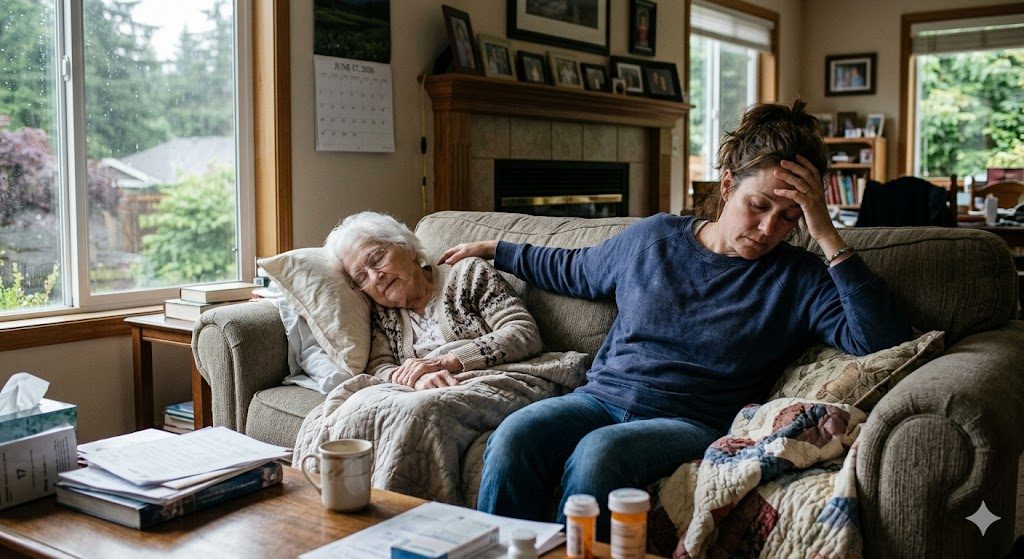
Caregiving for an elderly relative is a profound commitment, but the emotional and physical demands can be intense. As a caregiver, you may find yourself navigating complex systems, such as understanding the differences between Medicare and Medicaid or managing transitions like downsizing from a family home to a smaller apartment. Without intentional strategies, the weight of these responsibilities can lead to burnout.
Prioritizing your own well-being is not a selfish act; it is a necessary step to ensure you can continue providing the best possible support for your loved one.
1. Recognize the Signs Early
Burnout rarely happens overnight. It often creeps in as a slow depletion of your resources. Being able to identify the early warning signs is the first step toward intervention:
- Signs of Compassion Fatigue: Feeling emotionally detached or cynical about your caregiving role.
- Physical Depletion: Experiencing persistent exhaustion, sleep disturbances, or a decline in your own physical health.
- Cognitive Strain: Finding it difficult to process new information or make decisions regarding care, such as navigating the requirements for secure memory care or geropsych units.
- Loss of Interest: Losing enjoyment in activities that once brought you pleasure.
2. Leverage Available Resources
You do not have to carry the entire weight of caregiving alone. Utilizing professional resources can lighten your load and provide much-needed clarity:
- Master the Logistics: Reduce anxiety by learning the specific rules that impact your relative’s care, such as the "3-Midnight" hospital stay rule.
- Use Professional Guidance: Do not hesitate to research or ask questions about potential assisted living communities or adult family homes before committing to a transition. This is where companies like 1st CHOICE Advisory Services shine!
- Leverage Benefits: Take the time to fully understand financial and support tools like Veteran’s Aid and Attendance, which may provide resources that alleviate your daily burden.
3. Prioritize Your Physical and Cognitive Health
Your physical health directly impacts your resilience. Small, consistent changes can make a meaningful difference:
- Nutrition and Wellness: There is a strong link between dietary habits and maintaining cognitive health, which applies to caregivers just as much as those they care for. Prioritize balanced meals to keep your energy stable.
- Simplify Your Environment: If you are managing transitions like downsizing from a family home to a smaller apartment, focus on the process one step at a time to minimize overwhelming decisions.
- Seek Respite: Incorporate regular breaks by utilizing professional care services. This allows you to step away from the caregiving role and recharge, which is crucial for long-term sustainability.
4. Seek Community and Connection
Isolation is a major contributor to caregiver burnout. Connecting with others who understand the unique challenges of geriatric care can provide both emotional validation and practical advice. Whether it is a formal support group or an informal network of friends, having a space to share your experiences is essential for maintaining your perspective and morale.
Remember: you are human, and your well-being is not a secondary concern—it is a critical component of the care you provide. By proactively managing your own health and utilizing the resources available to you, you ensure that you have the capacity to continue this vital work. Caregiving is a marathon, not a sprint. By proactively managing your own physical health, staying informed about caregiving systems, and seeking support, you create a more stable and sustainable environment for both you and your elderly relative.