
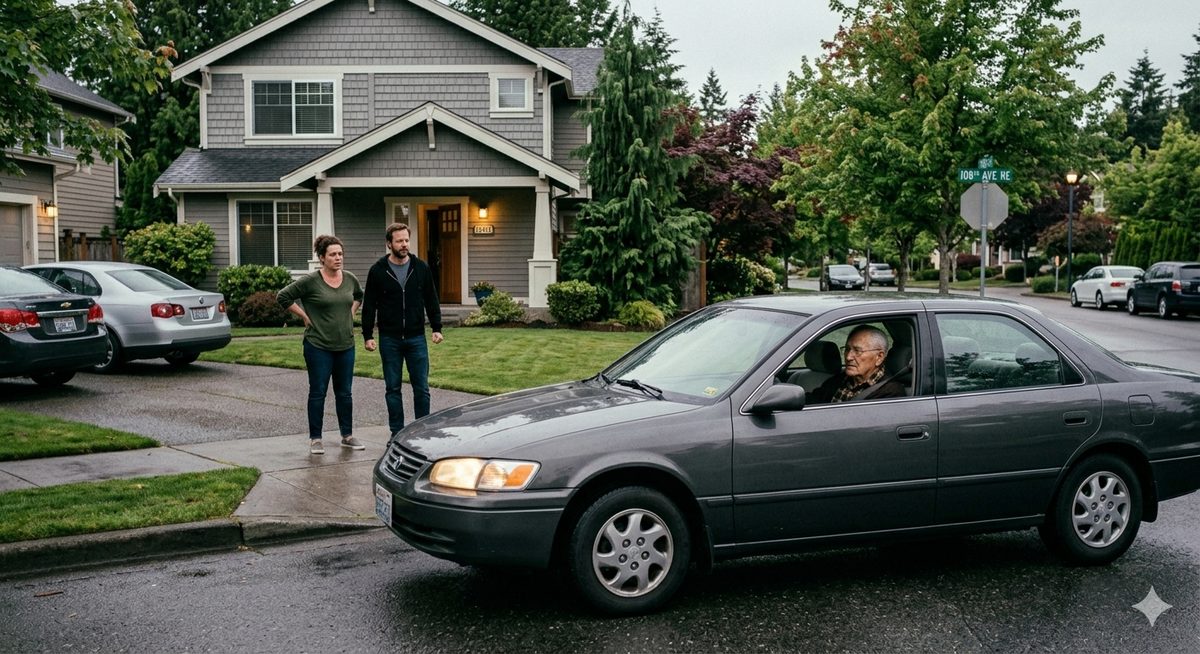
Discussing the end of an elderly relative's driving career is one of the most difficult, yet vital, conversations a loved one can initiate. For many seniors, driving represents more than just transportation; it symbolizes independence, autonomy, and a connection to their past. Approaching this topic with empathy while prioritizing safety is essential for a productive conversation.
1. Focus on Safety, Not Personal Failure
The goal of this conversation is to protect your loved one and the community, not to strip them of their freedom.
- Use Objective Observations: Instead of making general accusations, cite specific, observed behaviors that have caused concern, such as difficulty staying in lanes, delayed reaction times, confusion at intersections or roundabouts, or signs of increased anxiety.
- Avoid Attacking Autonomy: Frame the discussion around the changing realities of aging rather than their competence as an individual.
2. Prepare for Potential Resistance
It is normal for a parent to be resistant to the idea of stopping driving, often because they fear isolation.
- Acknowledge Their Emotions: Validate their feelings by allowing them space to express their attachment to their independence.
- Proactive Planning: Don't wait for a crisis or a dangerous incident to bring up the subject. Start discussions early to explore how they can maintain their social connections and errands without behind-the-wheel responsibilities.
3. Collaborate on Transportation Solutions
Resistance is often driven by the fear of becoming a "burden" or being unable to get out of the house. Address this by having concrete, alternative solutions ready.
- Highlight Alternatives: Research local senior transportation services, ride-sharing apps, or community shuttles that provide reliable ways to attend appointments, grocery shop, or visit friends.
- Involve Other Family Members: Presenting a unified front with other family members, such as a sibling, can demonstrate that the concern for safety is shared and that the support for their mobility is a collective effort.
4. Seek Professional Support
If the conversation is particularly difficult, consider involving a neutral third party.
- Consult a Physician: A doctor can provide an objective assessment of whether their physical or cognitive health impacts their safety on the road, taking the burden of "policing" away from the family.
- Driver Assessments: Suggest an official driving assessment from a professional, which can provide a clear, unbiased look at their capabilities.
A Note on Patience: This is rarely a one-time conversation. It may take several discussions and periods of reflection for your loved one to accept this transition. Remain consistent, patient, and focused on finding solutions that ensure their safety while preserving their quality of life.