
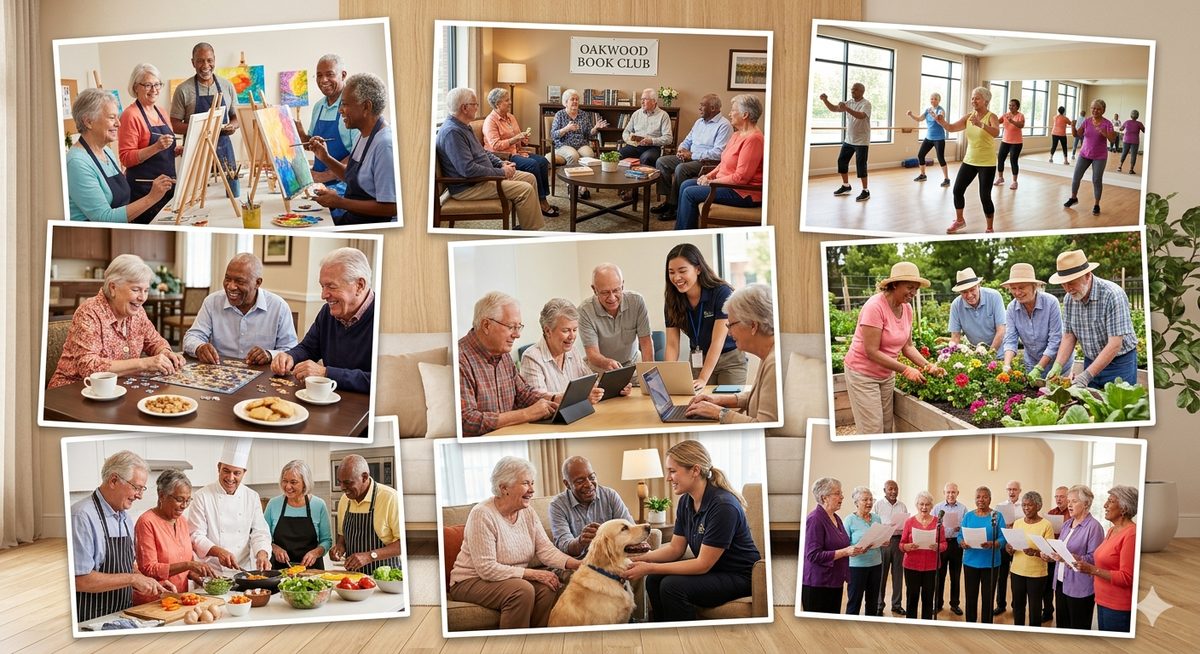
The modern assisted living community has moved far beyond the stereotypical "bingo and bridge" afternoons. In 2026, these communities have transformed into vibrant hubs of holistic wellness, where activity calendars are designed to stimulate the mind, strengthen the body, and foster deep social connections.
Whether you are exploring options for yourself or a loved one, here is a look at the diverse activities defining life in assisted living today.
1. Physical Wellness: Beyond Basic Exercise
Physical activity is no longer just about "staying mobile"; it is about functional fitness—improving the strength and balance needed for everyday independence.
- Adaptive yoga & tai chi: these low-impact classes focus on flexibility and mindfulness. Many communities now offer seated versions to ensure accessibility for all mobility levels.
- Walking clubs: residents often form groups for morning strolls through landscaped courtyards or local botanical gardens, combining cardiovascular health with fresh air.
- Aquatic aerobics: for those with joint pain or arthritis, heated indoor pools provide a buoyant environment for resistance training and mobility work. (Pools are more commonly found in newly built, resort-style, and/or "luxury" communities.)
- Technology-integrated fitness: using wearables like smartwatches, residents can participate in "step challenges" or track their own progress in real time.
2. Cognitive Stimulation & Lifelong Learning
Brain health is a top priority in 2026. Activities are designed to encourage neuroplasticity—the brain's ability to form new connections at any age.
- Language & tech workshops: from learning Spanish for a family trip to mastering a new tablet for video calls with grandkids, these classes keep the mind sharp.
- Lectures & documentaries: many communities partner with local universities to host guest speakers on history, science, and current events, followed by spirited group discussions.
- Strategic gaming: while cards remain a staple, you'll also find competitive chess tournaments, trivia nights, and even "e-sports" leagues using motion-controlled gaming systems.
3. Creative Arts & Personal Expression
Creativity is a powerful tool for emotional health. Modern communities provide dedicated spaces for residents to rediscover old passions or find entirely new ones.
- Art therapy & studios: pottery, watercolor painting, and knitting groups offer a tactile outlet for expression. Some communities even host "pop-up" galleries to showcase resident work.
- Music & performance: choir rehearsals, drum circles, and live jazz or classical performances bring the community together. Music has been shown to be particularly effective in memory care settings for triggering positive emotions.
- Memoir writing: guided storytelling sessions help residents document their life stories, creating a lasting legacy for their families while practicing verbal and written recall.
4. Social & Intergenerational Connection
The primary reason many seniors choose assisted living is to combat the "silent epidemic" of loneliness.
- Intergenerational programs: communities often partner with local schools or youth groups. Whether it's a high schooler helping a resident with a "tech fix" or a resident mentoring a student, these connections bridge the age gap.
- Themed socials & happy hours: Friday night socials or holiday-themed dinners provide a relaxed environment for building organic friendships over good food and music.
- Community volunteering: residents often lead projects like knitting hats for hospitals, organizing food drives, or tending to community gardens to give back to the local area.
Why Variety Matters
A well-rounded activity program addresses what experts call the Six Dimensions of Wellness: physical, social, intellectual, emotional, spiritual, and purposeful. When a resident finds an activity that hits several of these notes—like a gardening club that is physical, social, and purposeful—their overall quality of life skyrockets.
Pro tip: when touring a community, don't just look at the list of activities. Ask to see a session in action. A truly thriving community isn't just busy; it's engaged.